

Free Consultation
Hablamos Español
The,Raw,Meat,Packer,And,The,Slaughterer,Work,In,The
Injured Food Processors & Meatpackers

Workers' Compensation Attorney For Injured Food Processors & Meatpackers in North Carolina

The food processing industry has strong roots in North Carolina. There are over 1,000 food processing plants in the state. The industry is so large that it contributes about $87 billion of the annual state GDP and employs about 17% of all workers in North Carolina. The Tarheel State is also home to about 24 of the 50 food and beverage companies in the U.S.

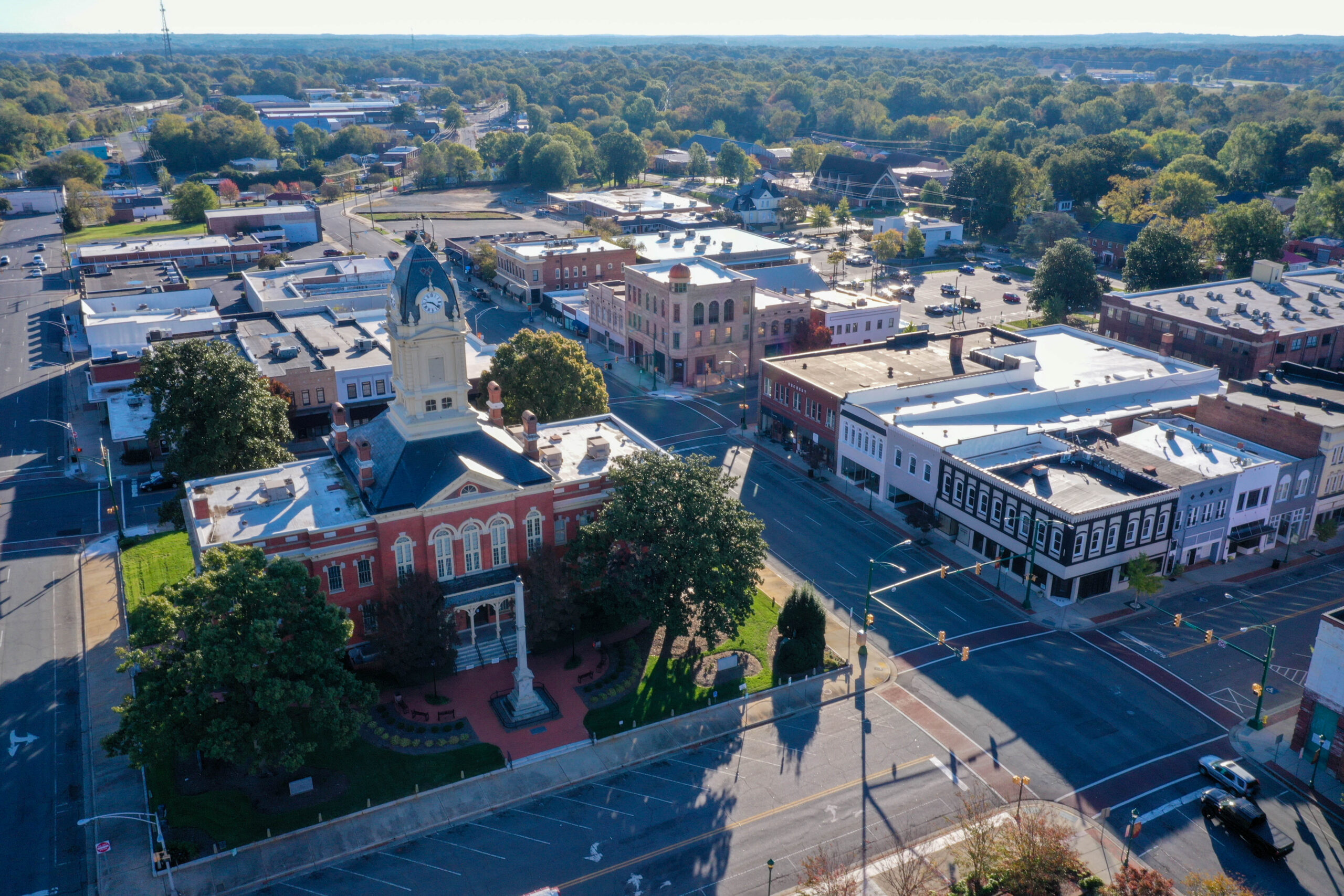
In Rowan County, companies like Cheerwine and Carolina Malt House are among the largest in the state. Other food processors include Rockwell Farms, Patterson Farms, Freirich Foods, and Freshouse. Food processing firms, such as Smithfield Foods in Tar Heel and Purdue, employ hundreds of workers to process and pack food.

While this thriving industry may be good for the economy of North Carolina, food processing workers face higher rates of work-related injuries compared to other industries.

If you’ve been injured at a meatpacking plant in North Carolina, contact our workers’ comp attorneys at Wilder Pantazis Law Group. We’re committed to helping workers throughout North Carolina recover maximum compensation for their injuries. We offer free initial consultations, and we work on contingency—so you won’t pay a fee unless we win your case.

Contact us today for your no-obligation consultation to see how we can help you.

Learn More About Our Firm

Ready to take the first step?

Contact Wilder Pantazis Law Group today for a free, confidential consultation and let our experienced team guide you forward.

Contact Us Now
Best Lawyers - Wilder Pantazis Law Group
Rated by Super Lawyers


loading ...
Best Lawyers - Annemarie Pantazis
Rated by Super Lawyers


loading ...
10.0Annemarie Pantazis

Workers’ compensation benefits for injured meatpackers and food processors

In North Carolina, most businesses with 3 or more employees are required to purchase workers’ compensation insurance that provides their workers with certain benefits after an on-the-job injury or illness. Workers are entitled to receive these benefits even if they caused the accident that led to their injury.

These benefits include the following:

  • Medical benefits. These benefits cover all medical treatment for your injuries, including hospitalization, surgery, medication, and physical therapy.
  • Wage loss benefits. You’re entitled to benefits to cover two-thirds of your average weekly wages if you can’t work or can only work in a limited capacity while you recover.
  • Death benefits. In the event that you die due to a work-related injury or illness, death benefits (including funeral expenses and lost wages) may be available to your dependents.

How to file a workers’ comp claim in North Carolina

To be eligible for compensation, you must have sustained the injury while on duty doing work-related tasks. For instance, if you lose your finger to a food processor, you can file for workers’ comp. However, if you are in a car accident while driving home from work, you probably aren’t eligible for workers’ compensation benefits.

To submit a workers’ compensation claim in North Carolina, you need to take the following steps:

  1. Seek medical treatment. You should seek medical treatment as soon as possible after your injury. This will help to establish that your injury is work-related and prevent it from getting worse.
  2. Report your injury. You should report your injury to your employer as soon as possible. Under North Carolina law, you have 30 days to report your injury to your employer, or you won’t be eligible for benefits.
  3. File a claim. To start the claims process, you must file Form 18 with the North Carolina Industrial Commission, which can be found on their website. In North Carolina, a workers’ compensation claim must be filed within 2 years from the date of your injury/illness or from when you become aware of your injury/illness.
  4. Contact an attorney. If you need help with your claim or your claim is denied, contact an attorney to ensure you don’t miss your chance to collect benefits.

Common injuries among food processors and meatpackers

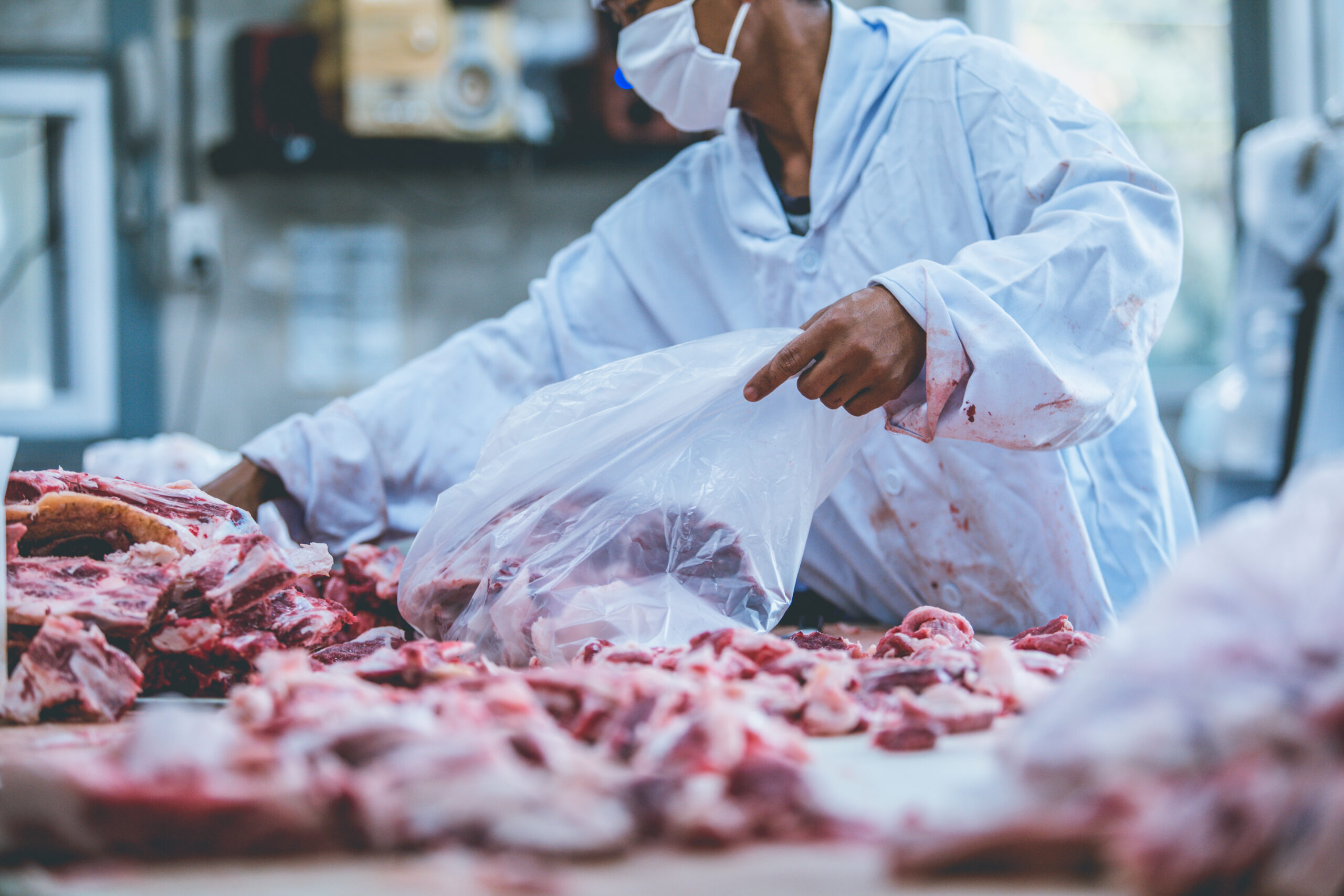
As a food processor or meatpacker, your duties include cutting, trimming, packaging, and processing food items and meat for sale. The work involves performing repetitive tasks at high speeds and exposes you to dangerous machinery, extreme temperatures, and slippery floors. Plant conditions contribute to the food manufacturing industry having one of the highest injury rates in North Carolina and around the U.S.

When a worker sustains an injury, they often need some time off from work, which can cause a financial strain as the employee also needs to pay for medical bills. This is where workers’ compensation comes in to help with the financial challenges.

Due to repetitive tasks and heavy lifting, workers may suffer from musculoskeletal disorders, notably sprains and strains.

Symptoms may include:

  • Soreness and pain in the lower back
  • Hernia
  • Torn ligaments and tendons
  • Cuts

Other common injuries in meat processing facilities include the following:

  • Broken bones and brain injuries. The cold, damp conditions in many meat processing facilities can lead to slippery floors, which increase the risk of slip-and-fall accidents.
  • Lacerations and amputations. The speed of assembly line work, the use of sharp knives and other equipment, and defective machinery can lead to injuries ranging from minor cuts to deep wounds and amputations of fingers, hands, or limbs.
  • Cold stress injuries. Prolonged exposure to cold temperatures can lead to cold stress injuries such as hypothermia and frostbite.
  • Crush injuries. These can occur if a worker gets caught between or underneath machinery.
  • Respiratory problems. Exposure to fumes, chemicals, mold, and other substances in meat processing plants can lead to respiratory problems such as asthma, bronchitis, and lung infections.
  • Repetitive motion injuries. Repetitive motions can cause damage to the tendons and nerves, leading to conditions such as carpal tunnel syndrome.
  • Noise-induced hearing loss. The loud noise levels in many meat processing facilities can lead to hearing loss over time.
  • Burn injuries. These can occur from fires, explosions, and exposure to hot machinery without safety gear.
  • Diseases from biological hazards. Working with dead animals can expose workers to biological hazards such as bacteria, viruses, and parasites.
  • Injuries due to extended standing. Standing for long periods can lead to injuries such as varicose veins, lower back pain, and leg cramps. Additionally, it can stress the feet, legs, and back, leading to injuries such as plantar fasciitis and a herniated disc.

Did you know? The rates of injury and illness are highest among workers in the red meat processing industry, with 9.8 cases per 100 full-time workers, followed by poultry processing, with rates of 6.5 cases per 100 full-time workers.

In North Carolina, most workers are entitled to workers’ compensation benefits—regardless of whether they were at fault or not.

Contact Us

What you need to know

Get clear, straightforward answers to the questions we hear most often.

Still Have Questions? Contact Us

Why might my workers’ compensation claim be denied?

Even if it’s your right to get compensation after an injury, you may still be denied benefits.

If you fail to document your injuries as required or your employer doesn’t cooperate in documenting your injuries, you may not be able to collect compensation. Undocumented workers, in particular—who are employed in large numbers by food processing companies in North Carolina—may fear deportation and choose not to file for workers’ comp.

According to the U.S. Bureau of Labor Statistics, the meatpacking and meat processing industry has one of the highest job transfer and job restriction rates. It’s challenging for workers with restricted duty to obtain workers’ compensation.

There are also instances where the employer will dispute the worker’s claim, or the filing and follow-up process becomes too complicated for workers.

Because of these challenges, workers may not get the compensation they deserve after an occupational injury without the help of an experienced workers’ compensation attorney to help protect their rights.

When can I file a claim against a 3rd party?

If your injuries are caused by the negligence of a 3rd party (someone other than your employer), then you may be able to file a 3rd-party personal injury claim. These injuries can result from mistakes made by an intoxicated worker, defective machinery, or a visitor who didn’t know how to operate machinery.

What is a defective product liability claim?

Defective product liability claims refer to lawsuits against a manufacturer or seller of a product that is unreasonably dangerous or defective and causes injury or death.

There are several circumstances where workers may be able to file a lawsuit against a product manufacturer (3rd party):

  • If the product was manufactured with a defect. For example, if a worker was injured by a defective power tool or machinery, they can file a lawsuit against the manufacturer of that product.
  • If the product was not properly labeled or lacked adequate warning or instructions. For example, if a worker was injured because a chemical product was not labeled, they may be able to file a lawsuit against the manufacturer of that product.
  • If the product was designed unsafely. For example, if a worker was injured because a ladder was not designed to hold the worker’s weight, they may be able to file a lawsuit against the manufacturer of that ladder.

An experienced attorney can help you determine the best way to handle your claim and if a 3rd-party injury claim is necessary.

How can injuries at meat processing facilities be prevented?

The Occupational Safety and Health Administration (OSHA) sets standards for workplace safety. By following OSHA standards, facilities can help to minimize the risk of injury and ensure that workers are safe.

Some of the ways that employers can help prevent injuries while working at meat processing facilities include the following:

  • Implement training and safety programs
  • Provide all workers with personal protective equipment.
  • Ensure all machinery and equipment are well-maintained.
  • Give employees regular breaks.
  • Ensure proper ventilation in enclosed areas.
  • Ensure all equipment is cleaned and sanitized.
  • Ensure safeguards are in place on all dangerous machinery.
  • Encourage workers to avoid wearing loose clothing or jewelry that could get stuck in machinery.

Real people.
Real stories.
Real gratitude.

We’re proud to stand by our clients, and even more proud to be part of their journey toward healing and justice.

Read More Testimonials

In your corner,
close to home

Representing injured workers and serious injury cases across North and South Carolina

Areas We Serve

Schedule a free
consultation today

You don't pay unless we win

"*" indicates required fields